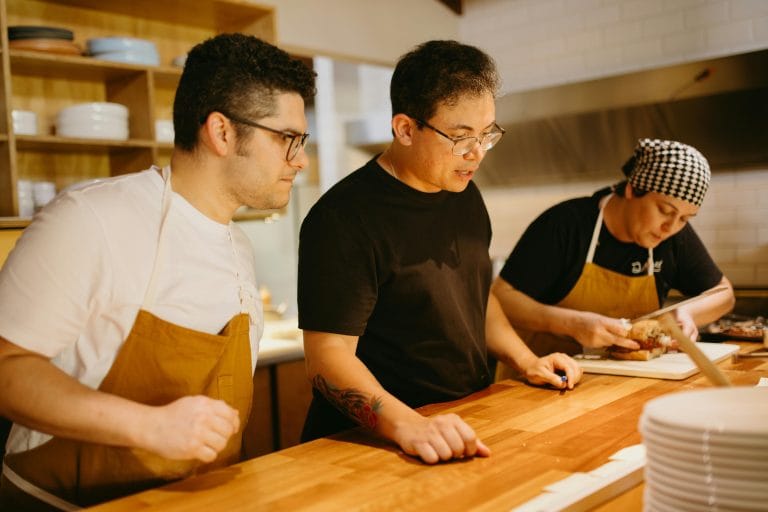


The Menu Question Every Restaurant Eventually Faces
At some point, most restaurants ask:
“Should we offer more choices to attract everyone — or focus on what we do best?”
On the surface, a large menu feels safer.
More options should mean more customers.
But when it comes to profits and online sales, the answer isn’t that simple.
Option 1: The Comprehensive Menu (As Many Options as Possible)
The Pros
1. Broader Appeal
A large menu can attract:
- Different dietary needs
- Mixed groups with varied preferences
- First-time customers browsing online
2. Perceived Value
Customers may feel they’re getting:
- More flexibility
- More customization
- More “bang for their buck”
3. Upsell Opportunities
More items can mean:
- Add-ons
- Modifiers
- Combo possibilities
The Cons
1. Decision Fatigue Kills Online Conversions
Online customers don’t want to scroll endlessly.
Too many choices can:
- Slow ordering
- Increase abandoned carts
- Reduce impulse purchases
2. Lower Margins Across the Board
Large menus often require:
- More ingredients
- More prep variation
- Higher food waste
Profitability becomes inconsistent.
3. Operational Complexity
More items means:
- Longer prep times
- More errors
- Inconsistent quality
These issues compound during peak hours and catering orders.
Option 2: The Concise Menu (Focused on Core Cuisine)
The Pros
1. Higher Margins Per Item
A focused menu allows restaurants to:
- Optimize ingredient usage
- Negotiate better supplier pricing
- Standardize prep
This directly improves profitability.
2. Faster Online Ordering
Concise menus:
- Reduce scrolling
- Speed up decision-making
- Increase checkout completion
Online customers are more likely to order when the path is clear.
3. Stronger Brand Identity
Customers remember:
- What you’re known for
- Your signature dishes
- Why they should come back
Memorability drives repeat orders.
The Cons
1. Fewer Edge-Case Options
You may lose:
- Customers looking for extreme customization
- Rare dietary combinations
2. Requires Confidence in Positioning
A concise menu forces clarity:
- You must know your best sellers
- You must commit to your niche
This can feel risky without data.
How Menu Size Impacts Online Sales Specifically
Online ordering magnifies menu weaknesses.
Large Menus Online:
- Feel overwhelming on mobile
- Increase browsing without buying
- Create friction at checkout
Concise Menus Online:
- Highlight top sellers
- Guide customers faster
- Increase order completion rates
This is especially true when paired with a direct ordering system that keeps customers focused on your menu — not competitor suggestions.
👉 See how menu structure performs better with direct ordering:
https://demo3.takeoutbutton.com/order-direct-solutions/
Catering Orders: Where Concise Menus Win Big
Catering customers want:
- Clarity
- Confidence
- Predictable execution
A trimmed, catering-friendly menu:
- Reduces back-and-forth communication
- Prevents custom pricing confusion
- Simplifies future order planning
When paired with an online catering system, restaurants can:
- Collect all details upfront
- Automate confirmations
- Manage orders through future order reports
👉 Learn how structured catering menus perform online:
https://demo3.takeoutbutton.com/online-catering-system/
The Most Profitable Middle Ground
The highest-performing restaurants don’t choose extremes.
They:
- Keep the core menu concise
- Highlight top-margin items
- Offer limited add-ons or seasonal variations
This approach:
- Protects margins
- Improves online conversion
- Keeps operations manageable
Final Takeaway: More Choices Don’t Mean More Profit
A comprehensive menu may feel customer-friendly — but it often hurts:
- Speed
- Consistency
- Margins
A concise, intentional menu:
- Converts better online
- Simplifies operations
- Increases repeat ordering
👉 If you want your menu to sell, not just display, start here:
https://demo3.takeoutbutton.com/order-direct-solutions/
👉 Or see how it works in real time: Schedule a demo.
FAQ
Q1: Does a smaller menu really increase profits?
A1: Yes. Fewer items allow better ingredient control, faster prep, and higher margins.
Q2: Will customers feel limited by a concise menu?
A2: Not if the menu is intentional and focused on best sellers.
Q3: Are large menus bad for online ordering?
A3: Large menus often increase decision fatigue and cart abandonment online.
Q4: What about catering menus?
A4: Catering performs best with structured, focused offerings and clear packages.
Q5: Can restaurants still offer variety without expanding menus?
A5: Yes—through modifiers, seasonal items, and catering packages.